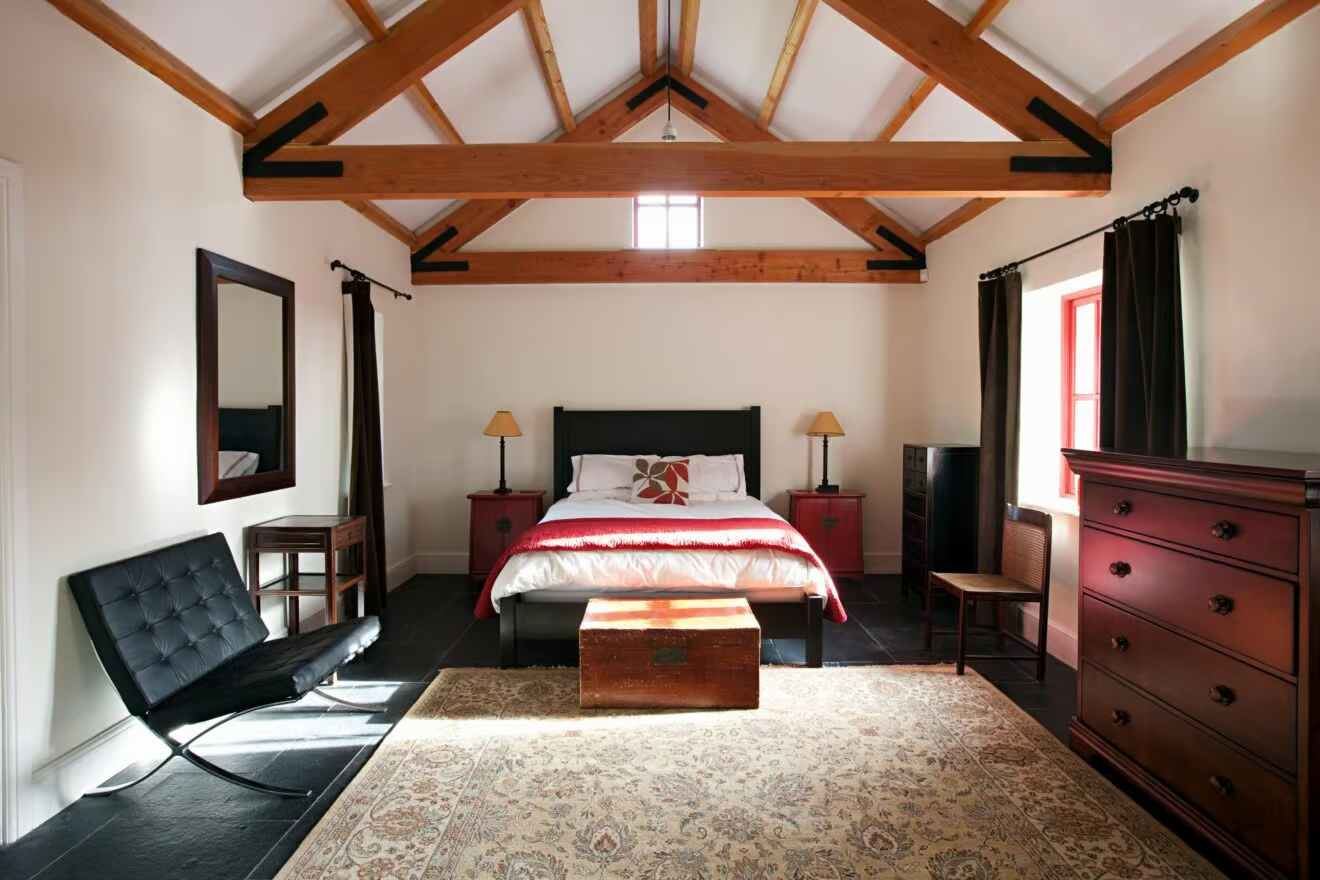
Garden suites reflect the evolving modernity of Toronto real estate. Tucked away to the side or rear of an existing home, these detached, self-contained dwellings offer a diverse scope of opportunities to homeowners, investors, and renters alike.
Garden suites have made a noticeable impact on the local housing market over the past half-decade or so. As a result, various rules are beginning to emerge or change. In this shifting regulatory landscape, new questions have been asked concerning future property transactions.
Primarily, can a garden suite be severed from the surrounding property and be sold as a standalone housing unit?
It’s a compelling proposition. But is it permitted?
Continue reading for insights into garden suites and land severance in Toronto.
Searching for real estate guidance? We can help! Call 416.772.4723 or reach us by email at evan@christensengroup.ca.
Can a Garden Suite Be Sold Separately?
The City defines garden suites as “a self-contained living accommodation … usually located in the rear yard, but not on a public lane, and is separate or detached from the primary dwelling on the lot.”
Given their detached nature, many homeowners and investors have asked whether garden suites can be listed and sold separately from the primary residence on the lot. As of now, the answer is no.
Toronto garden suites are considered to be part of the primary residence and therefore can’t be sold separately. However, they can be (and often are) rented out to tenants. If the primary residence is sold while a garden suite is tenanted, standard regulatory parameters apply.
Eager to invest in Toronto real estate? Explore these educational insights to build up your real estate knowledge.
- What Real Estate Investors Should Know About Ontario’s Bill 60
- The Ultimate Guide to Investing in Toronto Real Estate
- How to Buy an Investment Property in Canada
Can Laneway Suites Be Sold Separately?
Laneway suites (also called laneway homes) are similar to garden suites, but with one crucial distinction: they are located next to (and are typically accessible from) a public laneway. Given this distinction, do laneway homes have differing potential for severance than garden suites?
No. Laneway homes cannot be sold separately from the primary residence. This ruling applies even if a suite can be independently accessed from a public laneway.
Understanding These Restrictions
The ability to sell a garden or laneway suite independently from the primary residence may seem intuitive. After all, virtually every tier of government has launched initiatives aimed at increasing Toronto’s supply of functional, purchasable housing. So, why is it not allowed?
Urban property severance is more complex in practice than theory.
For example, both the garden suite and primary home share a single address and property title. Altering this would require a lengthy list of legal and regulatory processes that cost the City, Province, and Federal government time and money.
The same idea applies to services and utilities. All dwellings on a single lot (including a garden suite) receive the same metered utilities like hydro and gas. Formal severance would require redirecting or creating new infrastructure for these essential services.
Another major variable in these restrictions is the City’s objectives. Garden suite allowances were initially expanded with the express goal of creating more rental housing and providing greater options for multigenerational living scenarios.
Future Implications
While current legislation prevents garden suites and laneway homes from being sold independently, that doesn’t mean the rules can’t change in the future. Legal severance could introduce new opportunities for everyday homeowners and professional investors to amplify equity, diversify portfolios, and explore untapped income streams.
Connecting with an industry liaison, such as an investment specialist real estate agent, is an effective way to keep up with Toronto’s ever-changing market landscape.
Explore these related blog posts for more guidance on selling real estate in Toronto.
- Where to Start When Selling a House
- Do Home Renovations Increase Property Value?
- When Should You Change Your Asking Price?
More Insights on Land Severance in Toronto
While not applicable in the case of garden or laneway suites, certain properties in Toronto are eligible for severance. That being said, the process is typically lengthy and dense with red tape.
For example, the Province requires an in-depth consultation with municipal planners before an application can even be submitted.
From there, you must submit planning sketches, property reports, and other supporting documents to the City. There’s a fee associated with this stage, typically north of $6,000. Next, there’s the notice period, planning recommendation report, and finally, a public hearing.
After all that, there’s no guarantee that the City will approve your application.
How Much Does it Cost to Sever Land?
In addition to the architectural, regulatory, and legal hurdles involved in severing property in Toronto, there are also a wide range of costs associated with the process. When all is said and done, owners may spend anywhere between $50,000 and $200,000 based on the specific circumstances and requirements.
Buying, selling, or investing? Work with our expert advisors. Call 416-722-4723 or reach us at evan@christensengroup.ca.